
How Retail Centers Stay Relevant for Decades
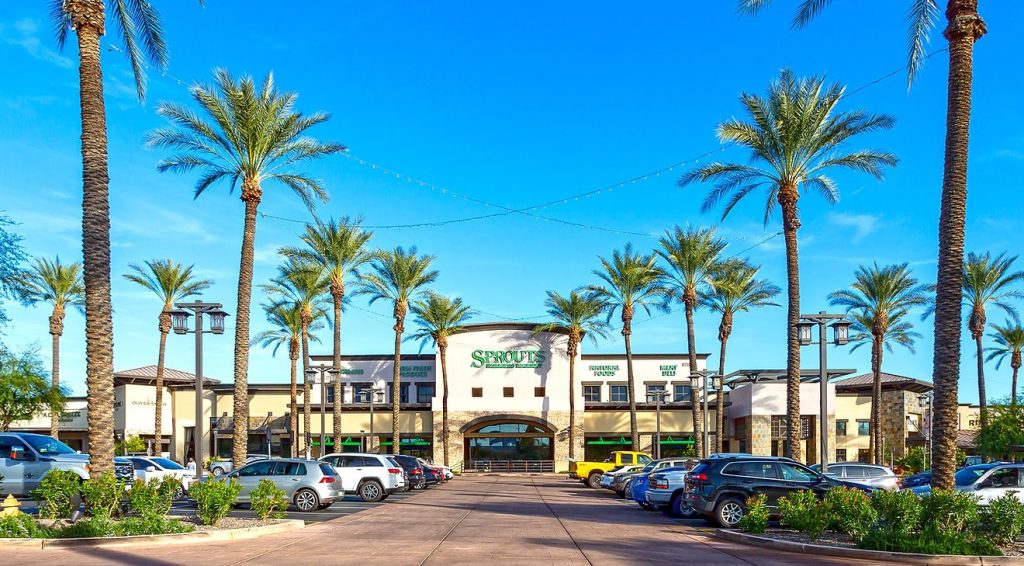
A grand opening is a milestone, not a finish line. Several of the centers I leased from the ground up have now been operating for well over a decade. The ones still thriving didn’t get there because they opened well. They got there because someone kept working on them after the ribbon was cut.
Retail never stands still. Customers change, neighborhoods grow, and categories that anchored a center 15 years ago may barely exist today. The question isn’t whether a center will need to change. It’s whether the change happens by plan or by crisis.
Centers age in two ways
The first kind of ageing is physical, and it’s easy to see: faded paint, tired storefronts, dated lighting, landscaping that has outgrown its plan. Customers notice long before they could tell you what has changed.
The second kind is harder to see. A tenant mix that was right for the market ten years ago slowly falls out of step with the people who live nearby today. The center still looks open, but it no longer answers the question of why someone should come.
Both kinds of ageing are gradual, which is what makes them dangerous. Without someone watching, a center can drift for years before the vacancies make the problem obvious.
Warning signs a center is drifting
The early signs show up well before a center is in trouble:
- Vacancies start to cluster in one wing or block, and those spaces stay dark longer.
- Leasing decisions start going to whoever will pay, rather than to who fits.
- Evenings and weekends get quieter, even when weekday errands hold steady.
- Storefront and lighting standards slip as tenants make their own choices.
- Strong tenants start negotiating harder at renewal or quietly look elsewhere.
- Rent concessions creep into more deals.
Any one of these can be managed. Several at once usually mean the center has lost track of its identity.
Re-merchandise continuously, not in a crisis
Every lease expiration is a decision about what the center should become next. Treated that way, rollover is an opportunity instead of a risk.
The centers that stay relevant plan their lease expirations years in advance, measured against the center’s identity and the direction of its market. When a tenant no longer fits, the right replacement is already being courted. When a new category starts drawing customers, there’s space ready for it. Change happens a few leases at a time, so the center evolves without ever looking like it’s struggling.
Protect the standards that made it work
The physical side of viability is mostly discipline. Design standards in every lease only work if someone enforces them, every time, for the life of the center. One poorly lit storefront or a tenant who installs whatever signage they like can start a slide that’s expensive to reverse.
Landlords should budget for refreshes before they look necessary: lighting upgrades, updated storefront guidelines, new gathering spaces and landscaping that matures with the center. These investments cost far less than a repositioning, and they make one less likely to be needed.
When a center needs a turnaround
Sometimes a center drifts too far for gradual change. Then it needs a repositioning: a clear new identity, a re-tenanting plan and the patience to execute it lease by lease.
The Shops at Gainey Village was that kind of project. It was 40% vacant when we started. Over the course of the turnaround, we replaced 21 of its 38 tenants and leased more than 80,000 square feet, bringing it to 100% leased. I’ve done similar repositioning work at Park West, Uptown Plaza and Scottsdale Renaissance.
A turnaround works when every new lease serves the new identity, not when the space simply fills. Taking whatever tenant will sign can bring occupancy back without bringing the center back.
Viability is what buyers pay for
Eventually, most centers change hands, and that’s when long-term viability gets a price. Buyers look past current occupancy to the questions that matter for the next ten years. Is the income durable? Do the tenants reinforce each other? Is the center still relevant to the community around it?
Gainey Village answered those questions well enough to sell for $69.7 million in December 2019. Today I also help owners prepare centers for sale and work alongside investment brokers on dispositions, because the work that keeps a center relevant is the same work that maximizes its value at exit.
The work continues
The centers that stay relevant for decades share one thing: someone kept asking what the place should become next, long after opening day. That ongoing attention is the difference between a center that ages and one that matures.
Is your center ready for its next decade? Start a conversation with John.