
Why the Right Tenant Mix Beats the Highest Rent
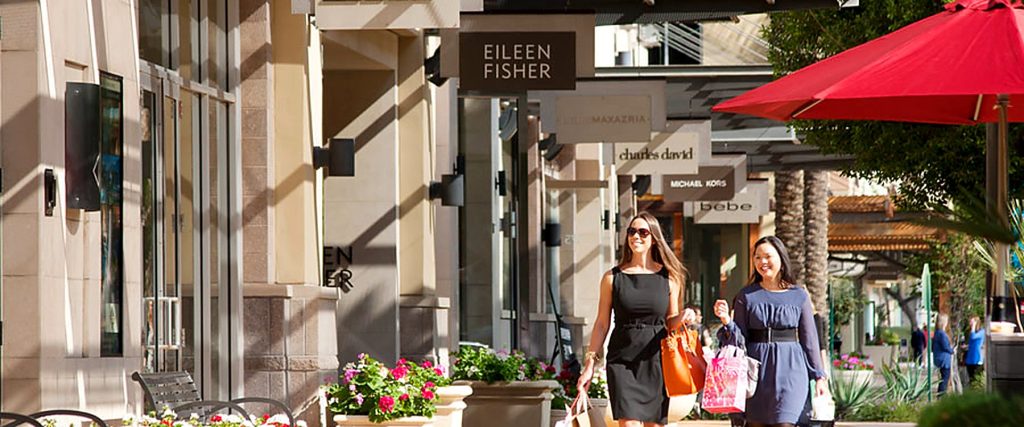
Every leasing agent eventually faces the same choice. Two tenants want the same space. One will pay more. The other will make the whole center better.
On a spreadsheet, the higher rent wins every time. On the ground, over the life of the center, it often loses. After 40 years of leasing retail, much of what I know about building successful centers comes down to understanding why.
A center is an ecosystem, not a rent roll
A rent roll lists tenants one line at a time, as if each one stood alone. A successful center works more like an ecosystem. Every tenant either sends customers to its neighbors or takes energy away from them.
An anchor draws people who wouldn’t otherwise come. Restaurants keep them there into the evening. Specialty shops give them a reason to wander. A coffee shop makes the morning crowd possible, and a fitness studio brings the same people back several times a week. Each tenant’s customers become every other tenant’s potential customer.
When the mix is right, the whole center does better than the sum of its leases. When you get the mix wrong, even strong tenants struggle, because they’re carrying traffic alone.
The hidden cost of the highest bid
The highest rent can be the most expensive deal a landlord signs. The costs just don’t show up on the first page of the lease.
They show up as dead hours, when a block of tenants that close at 6 p.m. leaves a walkway dark just as the restaurants need foot traffic. They show up as incompatible uses, such as a service business that fills parking without sending anyone to the shops, sitting where a patio or a destination retailer should be. And they show up when neighboring tenants renew. A strong tenant deciding whether to stay looks closely at who’s next door.
They show up at sale, too. Buyers don’t just underwrite how much rent a center collect. They underwrite how durable that rent is. A center whose tenants reinforce each other is worth more than one whose income depends on each tenant succeeding alone.
Seeing the mix from both sides of the table
Most leasing agents only see a center from the landlord’s side. I’ve also spent years on the tenant side, helping brands decide where to grow.
I helped Z Gallerie expand to 92 locations, a run that ended in a private equity sale of more than $200 million in 2014. I helped take Lucky Brand from five stores to 55 in five years, ahead of a $100 million-plus acquisition. That work taught me how retailers actually choose a center, and the answer is less about rent than most landlords think.
Brands want to know who their neighbors will be. They want co-tenants who share their customer, a center with a clear identity, and evidence that people will still be coming in five years. A landlord who builds the right mix doesn’t just fill space. It attracts the tenants everyone else is chasing.
How the right mix gets built
A strong tenant mix starts long before the first lease, with a merchandising plan built around the center’s identity. Five principles guide it:
- Start with the customer. Decide who the center serves and what they need from it, then lease to that customer.
- Balance national and local. National brands bring credibility, credit strength and draw. Local and regional operators bring the character that makes a place feel like it belongs to its community. The best centers need both.
- Plan adjacencies. Put complementary tenants next to each other so one visit leads to the next. Place restaurants at corners and the ends of walkways to pull people past the shops in between.
- Cover the whole day. A center with morning, lunch, evening and weekend traffic is more resilient than one that’s busy for three hours.
- Leave room to evolve. Stagger lease terms and keep flexible space so the mix can change as the market does.
Saying no is part of the job
The hardest part of building a tenant ecosystem is turning down a deal that pays today because it would cost the center tomorrow. A broker paid only on closed transactions has every incentive to say yes.
I lease the centers I advise on, so I sign the deals myself. But I also answer for whether the center works years after the commission is paid. That’s why every lease gets measured against the plan, not just against the rent.
Mix proves itself at sale
At The Shops at Gainey Village, we replaced 21 of 38 tenants and took the center from 40% vacant to fully leased. It sold for $69.7 million in December 2019. Buyers weren’t paying for a list of leases. They were paying for a center whose tenants worked together.
That’s the case for the right tenant mix. It doesn’t always win the first negotiation. It wins over the life of the center.
Want a tenant mix that holds its value? Start a conversation with John.